Frequently Asked Questions
Physiotherapists employ a multifaceted approach to rehabilitating ACL injuries in athletes, incorporating techniques such as neuromuscular training, proprioceptive exercises, and progressive strength conditioning. Key components include the utilization of closed kinetic chain activities which facilitate joint stability while minimizing shear forces on the knee. Specific interventions may involve resistance training with elastic bands or weights to enhance quadriceps and hamstring strength, alongside plyometric drills aimed at improving explosiveness and agility. Additionally, balance training using tools like wobble boards or foam pads is critical for restoring proprioception and preventing re-injury. Manual therapy techniques may also be integrated to address soft tissue restrictions surrounding the knee joint while promoting optimal biomechanical alignment during functional movements such as squatting or jumping. Overall, this comprehensive rehabilitation strategy focuses on restoring full range of motion, enhancing muscular coordination, and gradually reintegrating athletes into their sport-specific demands through tailored exercise prescriptions that emphasize both performance enhancement and injury prevention strategies.
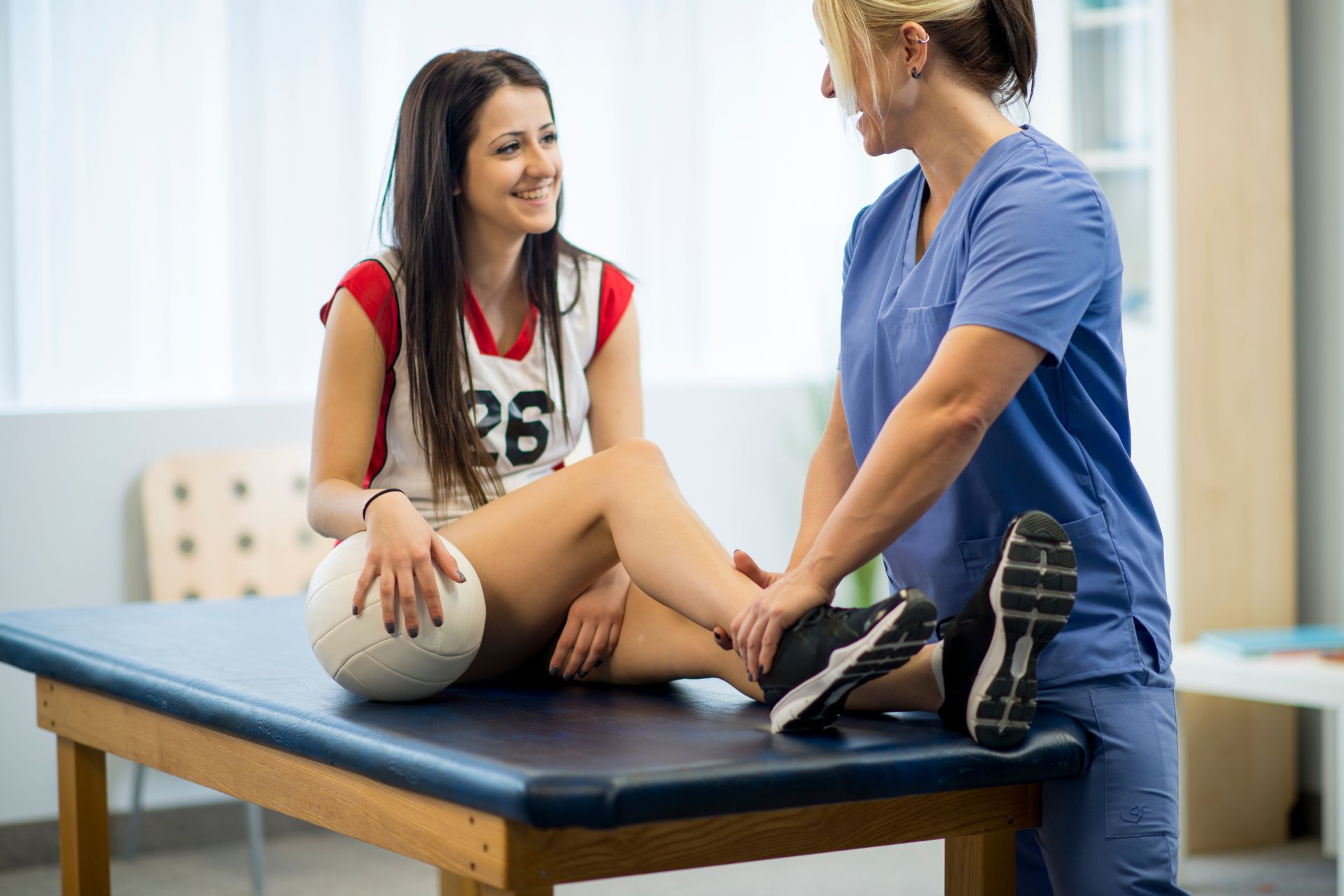
Proprioceptive training plays a crucial role in the recovery process from ankle sprains in athletes by enhancing neuromuscular control, balance, and joint stability. This type of training incorporates exercises that challenge an individual's awareness of body position and movement through dynamic tasks such as single-leg balances on unstable surfaces, wobble boards, or agility drills. By improving proprioception—defined as the body's ability to sense its position relative to gravity—and reinforcing motor patterns, athletes can significantly reduce their risk of re-injury while also promoting faster rehabilitation outcomes. Furthermore, increased proprioceptor activation aids in restoring strength within key stabilizing muscles surrounding the ankle joint, contributing to better performance during sport-specific activities like cutting or jumping. Ultimately, effective proprioceptive exercises facilitate functional recovery by bridging the gap between injury prevention strategies and enhanced athletic performance readiness post-recovery.
Incorporating manual therapy into a sports injury rehabilitation program involves several best practices aimed at enhancing recovery and optimizing performance. Practitioners should conduct thorough assessments of the athlete's musculoskeletal system, identifying specific areas of dysfunction such as myofascial restrictions, joint mobility limitations, or neuromuscular imbalances. Techniques like soft tissue mobilization, joint manipulation, and active release therapy can be employed to alleviate pain, improve circulation, and restore range of motion effectively. It is essential for therapists to integrate these manual techniques with therapeutic exercises tailored to strengthen weakened musculature and promote proprioception. Additionally, employing modalities such as ultrasound or electrical stimulation alongside manual interventions can further enhance healing by addressing inflammation and accelerating tissue repair processes. Regular re-evaluations are crucial in adapting treatment plans based on the athlete’s progress while ensuring a collaborative approach that includes communication with other healthcare providers involved in the rehabilitation process for holistic care management.
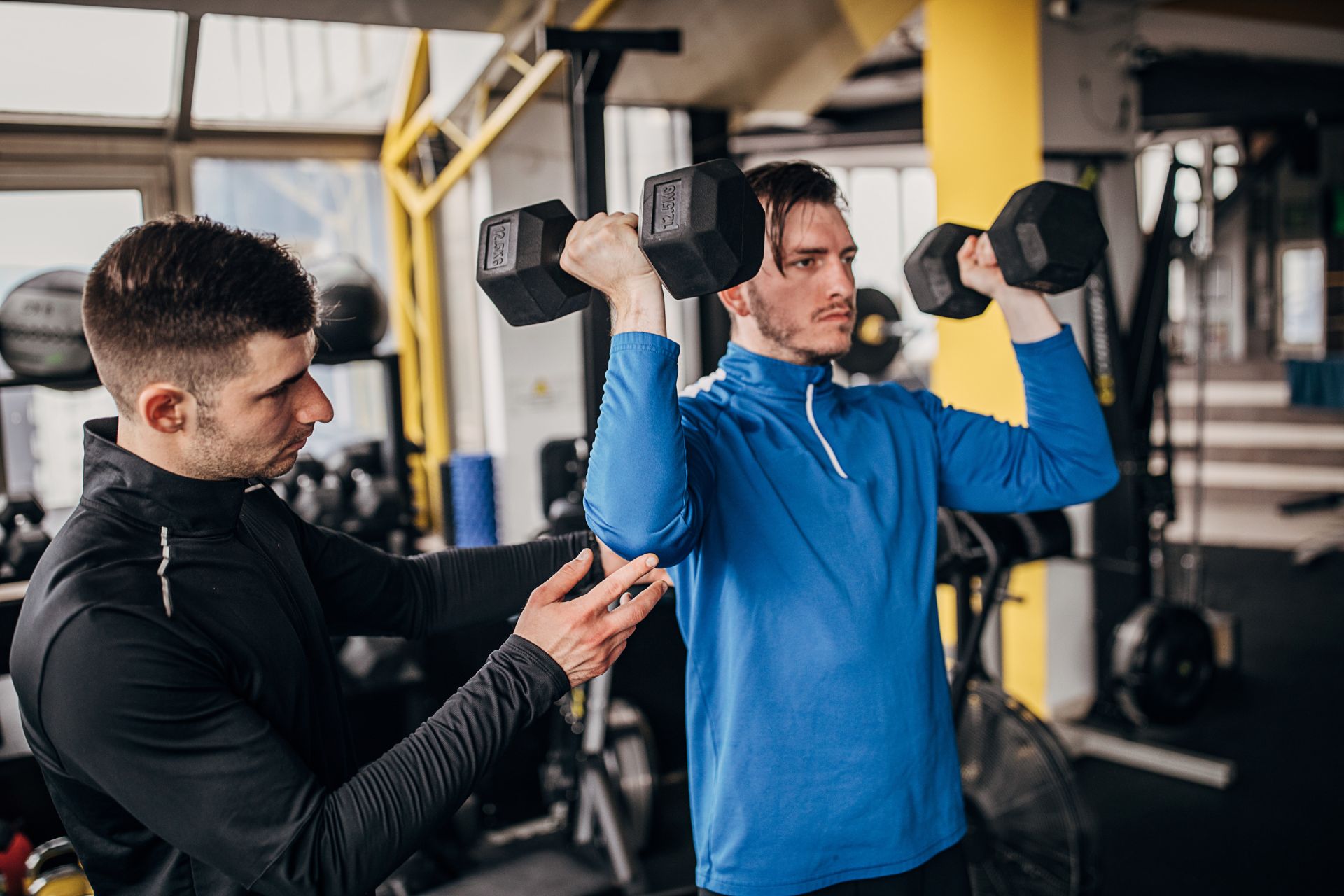
Physiotherapy plays a crucial role in preventing re-injury after an athlete has recovered from a shoulder dislocation by implementing targeted rehabilitation protocols that focus on strength, stability, and proprioception. Through tailored exercises aimed at enhancing rotator cuff function and scapular stabilization, physiotherapists help restore optimal range of motion while promoting neuromuscular control essential for dynamic overhead sports activities. The integration of functional movement patterns into training regimens ensures that athletes develop the necessary biomechanics to withstand the stresses placed on the shoulder joint during competitive play. Additionally, modalities such as manual therapy can alleviate pain and improve tissue quality, while education about proper body mechanics further empowers athletes to avoid compensatory movements that may lead to future injuries. Regular follow-up assessments allow for adjustments in treatment plans based on progress or specific demands associated with different sports disciplines, ultimately fostering confidence and resilience in returning to full athletic performance without fear of recurrence.
Exercise prescription plays a critical role in the management of chronic tendinopathies among competitive athletes by facilitating tissue remodeling, enhancing functional capacity, and preventing further injury. A well-structured exercise regimen typically incorporates progressive loading strategies that target specific tendon structures to promote collagen synthesis and improve mechanical properties. This approach often includes eccentric exercises, plyometrics, strength training, and sport-specific drills tailored to the athlete’s particular demands and biomechanical needs. Additionally, incorporating neuromuscular training can enhance proprioception and movement patterns while addressing any underlying kinetic chain dysfunctions contributing to tendinopathy onset or exacerbation. By regularly monitoring symptoms through objective measures such as pain scales or disability indices during rehabilitation sessions, practitioners can adjust exercise intensity and volume appropriately. Ultimately, an evidence-based exercise prescription not only aids in symptom relief but also aims for long-term performance optimization by ensuring adequate recovery timelines are adhered to within the context of periodic load management strategies essential for competitive athletes facing chronic tendinopathy challenges.