Frequently Asked Questions
Integration significantly enhances user interface design in commercial AV systems by streamlining the interaction between disparate technologies, such as video conferencing tools, digital signage solutions, and advanced audio distribution networks. Through seamless integration of control systems like Crestron or AMX with touch panel interfaces and mobile applications, users experience a cohesive environment where functionalities are intuitively accessible. The utilization of unified communications protocols enables real-time data sharing and system feedback, enhancing usability while reducing learning curves for end-users. Moreover, customizable dashboards tailored to specific operational needs ensure that relevant information is prioritized visually through engaging graphical elements. This holistic approach not only optimizes workflow efficiency but also promotes an aesthetic coherence across various components within the audiovisual ecosystem—transforming complex setups into user-friendly experiences that leverage modern technology's capabilities effectively.
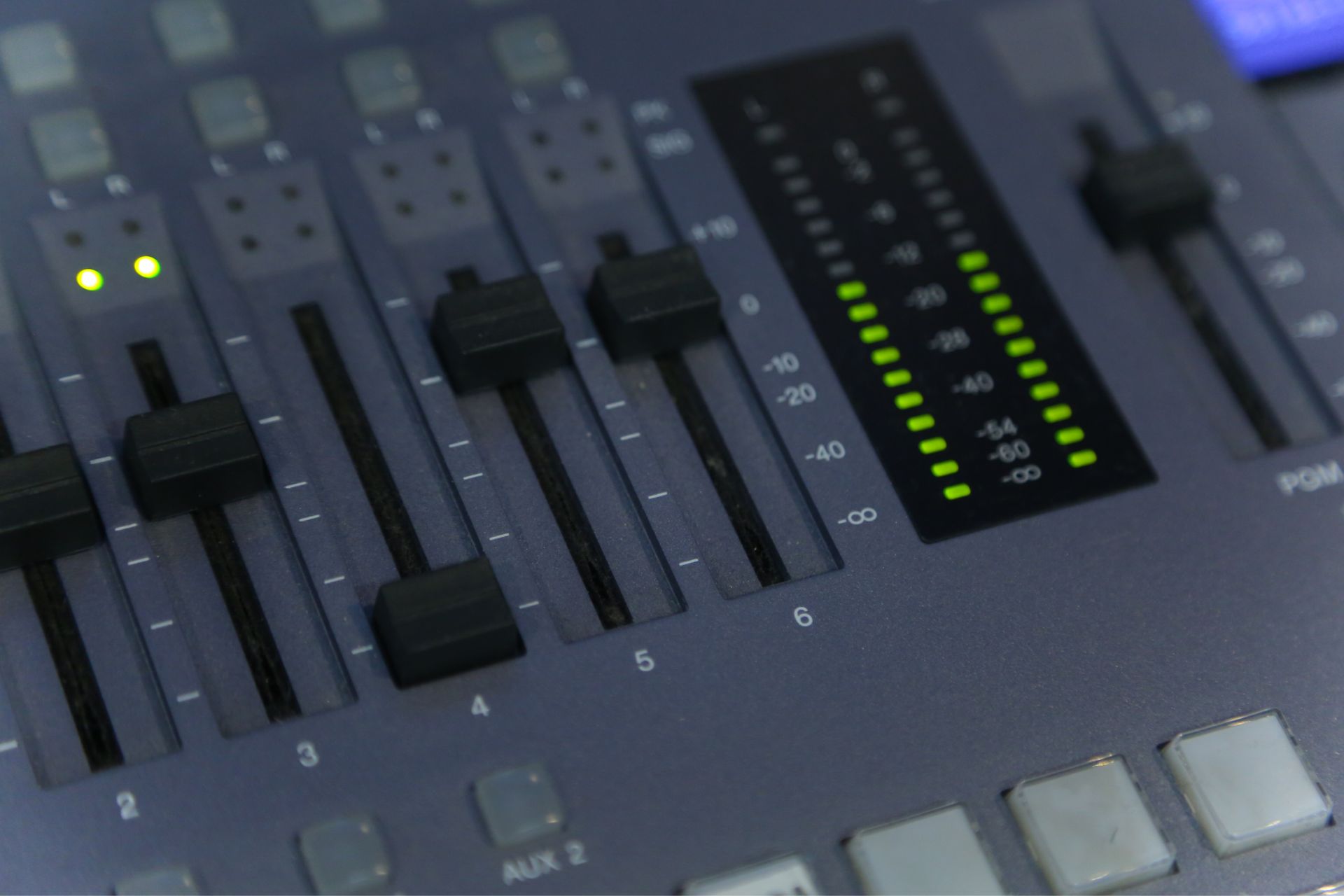
Integrating multiple audio and video sources into a unified system necessitates adherence to best practices that optimize interoperability, synchronization, and scalability. First, selecting compatible codecs and formats is crucial for seamless encoding and decoding processes across various devices such as cameras, microphones, mixing consoles, and digital signal processors. Implementing robust network infrastructure with low-latency protocols ensures real-time transmission of high-quality multimedia streams while minimizing packet loss or jitter. Additionally, utilizing advanced routing techniques through software-defined networking can enhance the management of diverse inputs from disparate source types like HDMI feeds or IP-based streaming services. Employing centralized control systems facilitates streamlined switching between sources while preserving optimal audio-visual fidelity through precise calibration settings—such as gain staging—for each input channel. Furthermore, incorporating monitoring tools allows for continuous assessment of both audio levels and video resolutions in order to maintain consistent performance during live events or recorded sessions within production environments. Lastly, ensuring comprehensive documentation of workflows alongside regular testing cycles fosters resilience against potential integration challenges over time.
Automation technologies enhance the efficiency of integrated audiovisual (AV) solutions in corporate environments by streamlining workflows, reducing operational redundancies, and optimizing resource allocation. Through the deployment of intelligent control systems and centralized management platforms, organizations can ensure seamless connectivity between various devices such as projectors, digital signage displays, video conferencing tools, and audio systems. This integration facilitates real-time monitoring and analytics capabilities that allow for predictive maintenance and immediate troubleshooting of AV equipment. Additionally, automation enables advanced scheduling features that synchronize meetings with room availability while automatically adjusting lighting and climate controls to create ideal presentation conditions. By leveraging machine learning algorithms within these automated frameworks, corporations can achieve greater adaptability to user preferences while enhancing overall user experience during collaborative sessions or large-scale events—thereby fostering a more productive workplace atmosphere driven by efficient technology utilization.
Integrators face numerous challenges when implementing cloud-based AV services within existing infrastructures, including compatibility issues with legacy systems, bandwidth limitations that can affect video quality and latency, and the need for robust cybersecurity measures to protect sensitive data transmitted over the internet. Additionally, they must navigate complex interoperability concerns between various hardware and software platforms while ensuring seamless integration of audio-visual components such as digital signage, conferencing solutions, and streaming media applications. The transition from on-premises solutions to cloud architectures also requires comprehensive training for end-users to maximize adoption rates and effective utilization of new technologies. Furthermore, integrators often encounter resistance from stakeholders accustomed to traditional AV setups who may be skeptical about reliability or performance in a virtualized environment. Effective project management is essential in addressing these multifaceted challenges while maintaining clear communication among all parties involved throughout the deployment process.
Interoperability between different manufacturers' products significantly enhances seamless audio-visual (AV) experiences by ensuring compatibility across diverse systems, devices, and platforms. This integration allows for the smooth exchange of data among various components such as projectors, displays, sound systems, and control interfaces through standardized protocols like HDMI-CEC or IP-based communication methods. By enabling cross-manufacturer functionality, users can enjoy streamlined workflows in collaborative environments where multiple technologies converge—think unified communications that incorporate video conferencing tools alongside smart lighting solutions. Additionally, this synergy facilitates a cohesive user interface experience with centralized control via mobile applications or touch panels that manage diverse AV equipment effortlessly. The result is an optimized ecosystem where high-definition content playback occurs without technical hitches while maintaining robust network security measures to protect sensitive information exchanged during operations. Ultimately, interoperability not only fosters enhanced productivity but also elevates overall satisfaction by providing reliable performance across all deployed AV assets regardless of their origin.