
Retirement Communities in and Near Portola Valley CA Offering Supportive Senior Living

Retirement Communities in and Near Portola Valley CA Offering Supportive Senior Living

Explore a variety of retirement communities in and near Portola Valley, CA that offer supportive senior living options tailored to individual needs. Discover vibrant lifestyles and essential services designed for seniors seeking comfort and companionship.

What types of personalized care services are typically available in supportive senior living communities?

Supportive senior living communities typically offer a wide range of personalized care services designed to meet the unique needs and preferences of residents, ensuring both comfort and safety. These services often include assistance with daily activities such as bathing, grooming, dressing, meal preparation, and medication management to help seniors maintain their independence while receiving the support they require. Many communities provide tailored health monitoring through regular wellness checks conducted by trained staff or licensed nurses who can oversee chronic conditions like diabetes or hypertension. In addition to personal care tasks, social engagement opportunities are abundant; organized activities such as exercise classes, arts and crafts sessions, game nights, and group outings encourage physical movement alongside mental stimulation. Transportation services may also be available for medical appointments or community events so that seniors remain active participants in their own lives. Furthermore, some supportive senior living facilities offer specialized memory care programs focusing on individuals with Alzheimer’s disease or other forms of dementia through structured routines and cognitive therapies aimed at enhancing quality of life. Nutritional guidance is another key component provided by many communities where chefs prepare balanced meals catering specifically to dietary restrictions—whether gluten-free options for those with celiac disease or low-sodium food choices for heart health concerns—all served in inviting dining settings that promote social interaction among residents during mealtimes. Overall, these comprehensive personalized care offerings create an environment conducive not only to well-being but also foster companionship within supportive senior living environments.

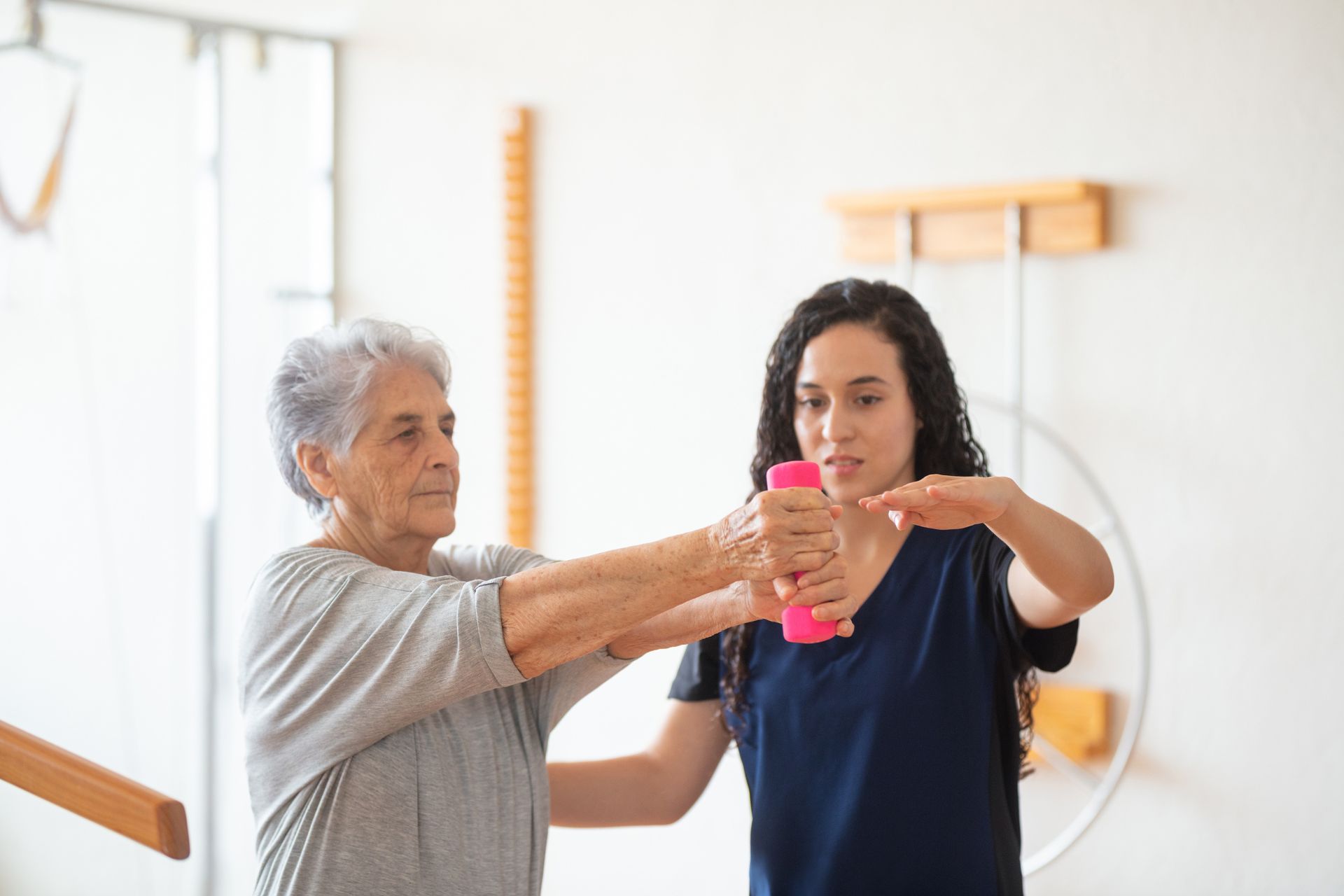
Neurological physical therapy solutions can significantly improve mobility and enhance overall quality of life for individuals with neurological conditions. By accessing expert resources, you can discover effective strategies and techniques designed to support recovery and rehabilitation. For more information on how these therapies can benefit you or someone you know, visit business profile

How do retirement communities ensure a balance between independence and support for residents with varying levels of mobility?

Retirement communities employ a variety of strategies to maintain a balance between independence and support for residents who have differing levels of mobility, ensuring that each individual can enjoy an active lifestyle while receiving the necessary assistance. These communities often feature accessible designs that include ramps, handrails, and wide doorways to accommodate wheelchairs or walkers, promoting ease of movement throughout shared spaces such as dining halls, activity rooms, and outdoor areas. Additionally, they offer personalized care plans tailored to meet the unique needs of each resident; these plans may involve on-site nursing services or home health aides who provide help with daily activities like bathing or medication management without infringing upon personal freedom. Social programs are also crucial in fostering engagement among residents by organizing fitness classes specifically designed for those with limited mobility alongside various recreational activities that encourage participation from all ability levels—such as arts and crafts workshops or group games—that enhance social interaction while respecting physical limitations. Furthermore, transportation services assist those unable to drive themselves access local amenities such as grocery stores or medical appointments so they remain connected within their community while retaining autonomy in decision-making about when and where they go out. This comprehensive approach ensures retirement communities not only cater to varied mobility requirements but also enrich the overall quality of life through supportive environments that empower seniors living independently yet surrounded by caring resources whenever needed.

In what ways do these communities facilitate social engagement and combat isolation among seniors?

Communities designed for seniors often implement a variety of programs and strategies to foster social engagement and reduce feelings of isolation, which can be particularly prevalent among elderly individuals. These communities frequently organize group activities such as arts and crafts workshops, fitness classes tailored for older adults, book clubs that encourage reading discussions, and game nights featuring board games or cards, all aimed at creating opportunities for interaction. Additionally, many offer communal dining experiences where residents share meals together in a relaxed environment; this not only promotes nutritional health but also facilitates conversations and camaraderie among peers. Social events like holiday celebrations or themed parties provide further chances for seniors to connect with one another while enjoying entertainment options like live music or dance performances. Furthermore, the presence of dedicated staff members who are trained in gerontology ensures that these environments remain welcoming and supportive; they help facilitate introductions between residents who may feel shy or reluctant to engage socially. Transportation services provided within these communities allow seniors greater access to local attractions such as parks or community centers where additional programming is available—encouraging participation outside their immediate living space—and fostering connections beyond their usual circle through shared outings. Ultimately, by cultivating an atmosphere rich with interactive opportunities along with supportive resources geared towards enhancing connectivity amongst seniors, these communities play a crucial role in combating loneliness while promoting active involvement in both social networks and recreational pursuits essential for emotional well-being.

What amenities or features are commonly included to promote wellness and health management in supportive living environments?

Supportive living environments often incorporate a variety of amenities and features designed to promote wellness and health management, recognizing the importance of holistic care for residents. These spaces typically include fitness centers equipped with exercise machines tailored for all abilities, such as treadmills, stationary bikes, and resistance training equipment that encourage physical activity among seniors or individuals with disabilities. Additionally, many facilities offer yoga studios or meditation rooms where residents can engage in mindfulness practices that reduce stress and enhance mental well-being. Healthy dining options are essential; thus, on-site cafeterias frequently provide nutritious meal plans prepared by dietitians who emphasize fresh fruits and vegetables while accommodating dietary restrictions like low-sodium or gluten-free choices. Furthermore, outdoor gardens or walking paths invite residents to enjoy nature's therapeutic benefits through daily strolls or gardening activities promoting social interaction among peers. Regularly scheduled wellness programs such as group exercises—like Tai Chi—and educational workshops covering topics from nutrition to chronic disease management empower individuals to take charge of their health actively. Access to healthcare professionals within these supportive settings also enhances preventative care measures; onsite nurses may conduct regular health screenings while therapists might provide counseling services addressing emotional needs alongside physical ones. Communal areas designed for social engagement foster camaraderie amongst residents which is vital in combatting loneliness—a significant concern in aging populations—thereby improving overall quality of life through community support systems built around shared experiences and relationships fostering a sense of belonging that resonates deeply within the framework of healthy living initiatives.

How do staff-to-resident ratios influence the quality of care within retirement communities focused on supportive living?

Staff-to-resident ratios play a crucial role in determining the quality of care within retirement communities that focus on supportive living, as these ratios directly affect how much attention and assistance each resident receives. When there is a higher number of staff members relative to residents, caregivers can provide more personalized support, ensuring that individual needs are met promptly and effectively. This leads to improved outcomes such as enhanced emotional well-being, better management of chronic conditions, and increased safety for seniors who may require additional supervision or help with daily activities like bathing, medication management, or meal preparation. Conversely, lower staff-to-resident ratios often result in rushed interactions where caregivers struggle to attend adequately to all residents; this can lead not only to decreased satisfaction but also potential neglect or oversight regarding health monitoring and emergency response protocols. Furthermore, sufficient staffing allows for engaging social programs and therapeutic activities tailored specifically for older adults seeking companionship or mental stimulation—factors essential in reducing feelings of loneliness which are common among retirees. In conclusion, maintaining an optimal staff-to-resident ratio is vital for enhancing overall life quality within supportive living environments by promoting individualized care plans while fostering community engagement among elderly individuals residing in these facilities.

Frequently Asked Questions

Retirement communities in Portola Valley, CA, typically offer a comprehensive array of on-site healthcare services designed to cater to the diverse needs of their residents. These may include regular wellness check-ups conducted by licensed nurses and geriatric specialists who focus on preventive care and chronic disease management. Additionally, physical therapy services are often available to assist with mobility challenges through tailored rehabilitation programs that enhance strength and balance. Mental health support is also provided via counseling sessions with trained professionals addressing issues like depression or anxiety common among seniors. Furthermore, medication management services ensure proper adherence to prescribed regimens while emergency medical response teams stand ready for urgent situations. Nutritional assessments delivered by dietitians help promote healthy eating habits within community dining facilities that emphasize balanced diets specifically suited for older adults' dietary restrictions or preferences. Collectively, these integrated healthcare options facilitate a holistic approach to senior living in this picturesque setting of Portola Valley.

Many active senior communities offer a variety of amenities specifically designed to enhance the lifestyle and well-being of their residents. These may include dedicated fitness centers equipped with state-of-the-art exercise machines, swimming pools for aqua aerobics, and outdoor walking trails that promote cardiovascular health. Group fitness classes such as yoga, Pilates, Zumba, and low-impact aerobics are often available to encourage social interaction while improving strength and flexibility. In addition to physical activities, these communities frequently provide access to recreational facilities like game rooms for card tournaments or billiards, art studios for creative expression through painting or pottery classes, and organized outings that foster engagement with local culture. Overall, the focus on holistic wellness within these active senior living environments creates an enriching atmosphere tailored to meet diverse interests and promote lifelong vitality among older adults.

The costs of supportive senior living facilities near Portola Valley can vary significantly based on factors such as location, amenities, level of care required (including assisted living or memory care), and the specific services offered by each facility. Typically, monthly fees may range from a few thousand to over ten thousand dollars depending on the luxury level and personalized healthcare options available. Financial assistance options are also diverse; seniors may explore government programs like Medicaid or veterans’ benefits that provide funding for long-term care services. Additionally, many facilities offer sliding scale payment plans based on income or assets, while some private foundations might assist with grants specifically aimed at offsetting housing costs in senior communities. Understanding these financial variables is crucial for families seeking to make informed decisions about their loved ones' residential needs within this affluent region of California.

Residents have access to a variety of transportation services designed to facilitate their mobility for local shopping excursions and medical appointments. The community offers shuttle buses that operate on well-defined routes, connecting key locations such as grocery stores, pharmacies, and healthcare facilities like clinics and hospitals. In addition, ride-sharing options are available through partnerships with local taxi services and app-based platforms that provide convenient door-to-door service. For those requiring specialized care or assistance due to mobility challenges, non-emergency medical transport (NEMT) is also provided, ensuring residents can reach their scheduled doctor visits without hassle. Furthermore, the area promotes volunteer driver programs aimed at assisting seniors or individuals with disabilities in accessing essential goods and health services while fostering social interactions within the neighborhood.

Yes, families can participate in care planning meetings and events held by retirement communities in and around Portola Valley. These collaborative gatherings often include family members to ensure a holistic approach to the resident's well-being, encompassing aspects such as medical needs, social activities, dietary preferences, and emotional support systems. By involving loved ones during these crucial discussions, retirement communities facilitate personalized care strategies that align with both residents’ desires and familial expectations. This inclusive practice not only enhances communication between staff and relatives but also fosters a sense of community engagement within the assisted living environment.
Retirement Communities in and Near Portola Valley CA Offering Supportive Senior Living

Retirement Communities in and Near Portola Valley CA Offering Supportive Senior Living

Contact Us

Alpine Physical Therapy and Fitness

  • Address: 3130 Alpine Rd Suite 370, Portola Valley, CA 94028
  • Phone: (650) 242-0777
  • Email: alpineptfit@mail.com

© Copyright - All Rights Reserved